Saturday, 8 October 2016

An Autumn Visit to Walton-on-the-Naze and Mistley Walls

23rd September 2016

Quite a few migrants going through and plenty of Yellow-browed Warblers around, so time for a visit to Walton-on-the-Naze and then up to Mistley for the afternoon high tide. Sadly The Naze was very quiet with even Chiffchaffs hard to come by and in fact the first warbler we came across was a rather wary Lesser Whitethroat which kept semi-buried for most of the time.


The only other cooperative bird was a Common Whitethroat which, like the Lesser, was feeding in a bramble allowing some shots with berries.


 But the biggest surprise of all was a pipit which flew to the top of a Blackthorn bush in the John Weston reserve. A pipit sitting in the top of a bush is nothing unusual, but when it flew and perched at the top of a large Oak tree my suspicions were aroused. Unfortunately it didn't call, but when I looked at my photos I could see that it was a Tree Pipit.


On now to Mistley walls to see what the high tide brings. As usual there was a great deal of flight activity including a Cormorant and this Mute Swan which had changed its feeding ground from Manningtree to Mistley.


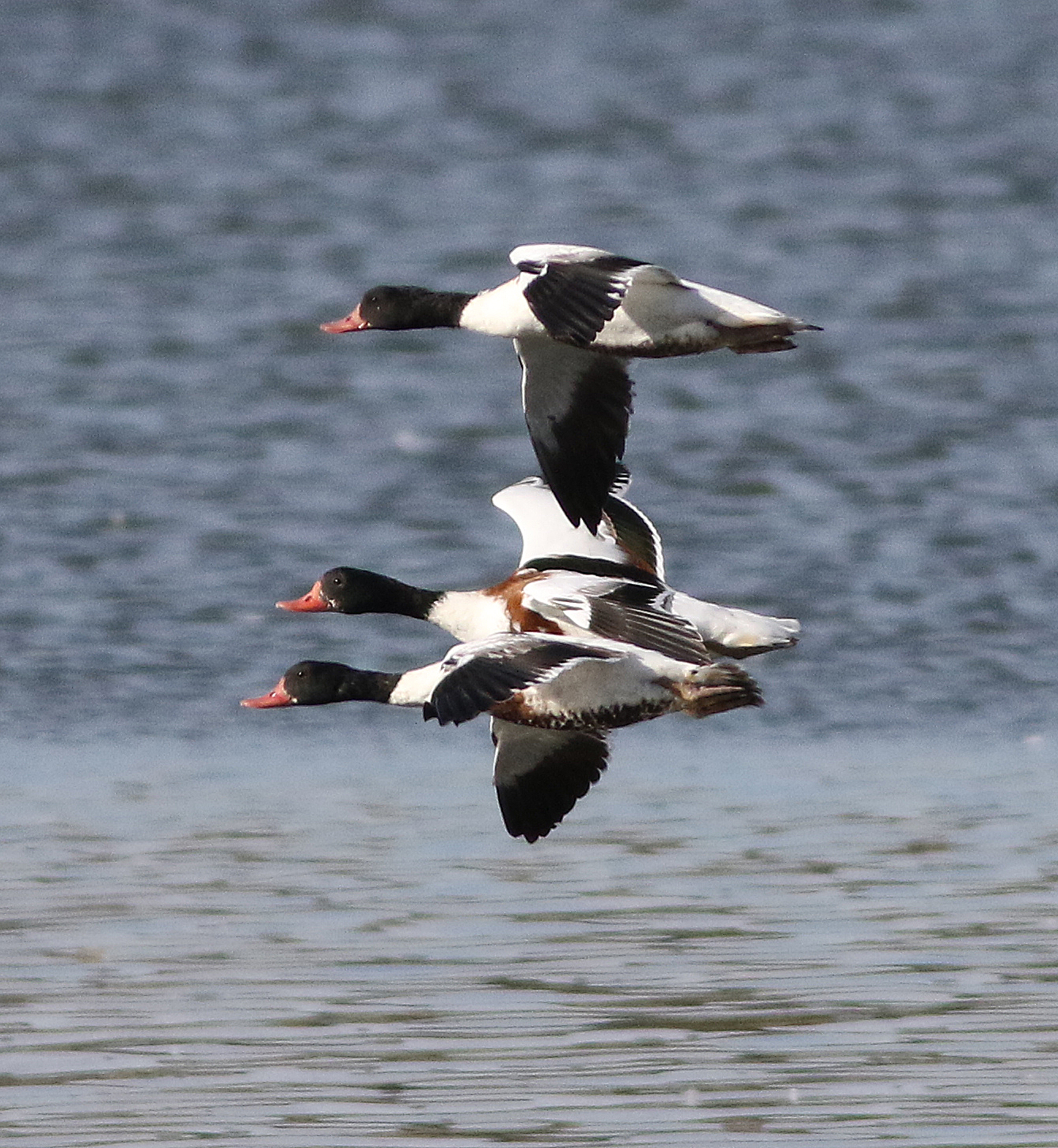
And then there are always plenty of my favourite ducks, the Shelduck. Small groups now beginning to gather, but never coming too close.



Now on to the subject in hand, the waders. There are always hundreds of Redshank, but they are never as confiding as the Black-tailed Godwits, and normally fly to the other side of the estuary as the tide rolls in.


But the stars of the show are always the Black-tailed Godwits, which get pushed ever nearer on the incoming tide until they are just 10 yards from you on the beach. Basically, just keep clicking away until you run out of film.


Tuesday, 4 October 2016

A Second Visit to The New Intertidal Area at Fingringhoe Wick

21st September 2016

After a successful morning photographing the Lesser Yellowlegs at Hythe Lagoon, time to move just 2.5 miles down the River Colne to Fingringhoe Wick to have another look at the new intertidal area. First stop was the scrape to see whether any Greenshanks or Spotted Redshanks had arrived yet, despite it being still two hours before high tide. In the event there were already five Greenshank and a single Spotted Redshank present, with more Greenshank flying in during the five minutes I was there.


The Spotted Redshank was indeed a stunning bird.


Now on to the Intertidal Area and there was already some flying action with both Lapwings,Teal, Dunlin and Grey Plover changing their positions as the tide raced in.


The Knot, Dunlin and Ringed Plovers were building up nicely, but for some reason always selected low spits which would inevitably be covered after a while necessitating a move to a more substantial island.


With each small island starting off as species-specific gathering , it was inevitable that the larger gatherings would contain a mixture of species including Black and Bar-tailed Godwits, Dunlin, Knot, Grey Plover, Avocet and even the odd Turnstone.


But by far the biggest surprise today was when a juvenile/female Red-breasted Merganser popped up just eight yards outside the hide, so close that at first I couldn't even get it all in.


It swam around for a bit until making this rather odd gesture before taking off and disappearing back on to the River Colne. How amazing is that?